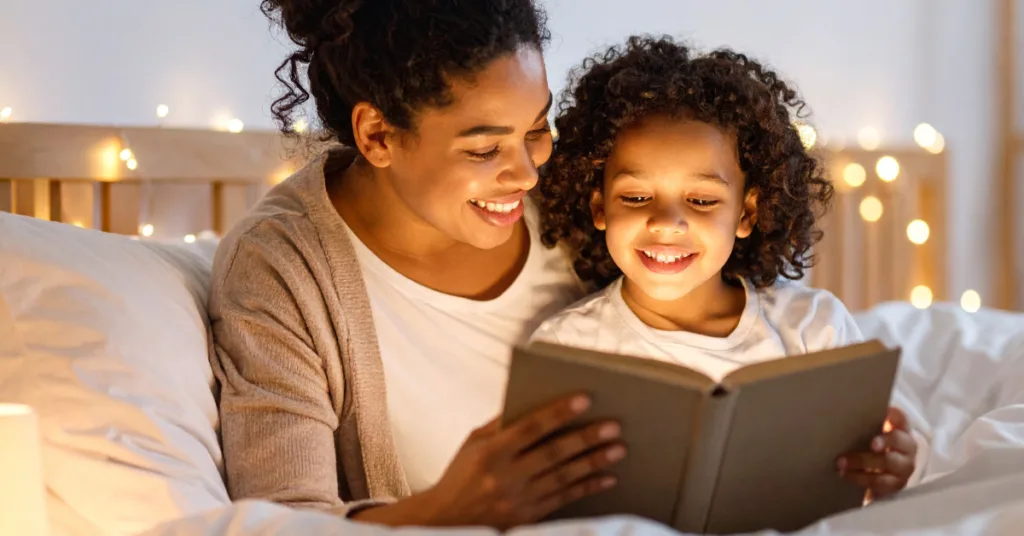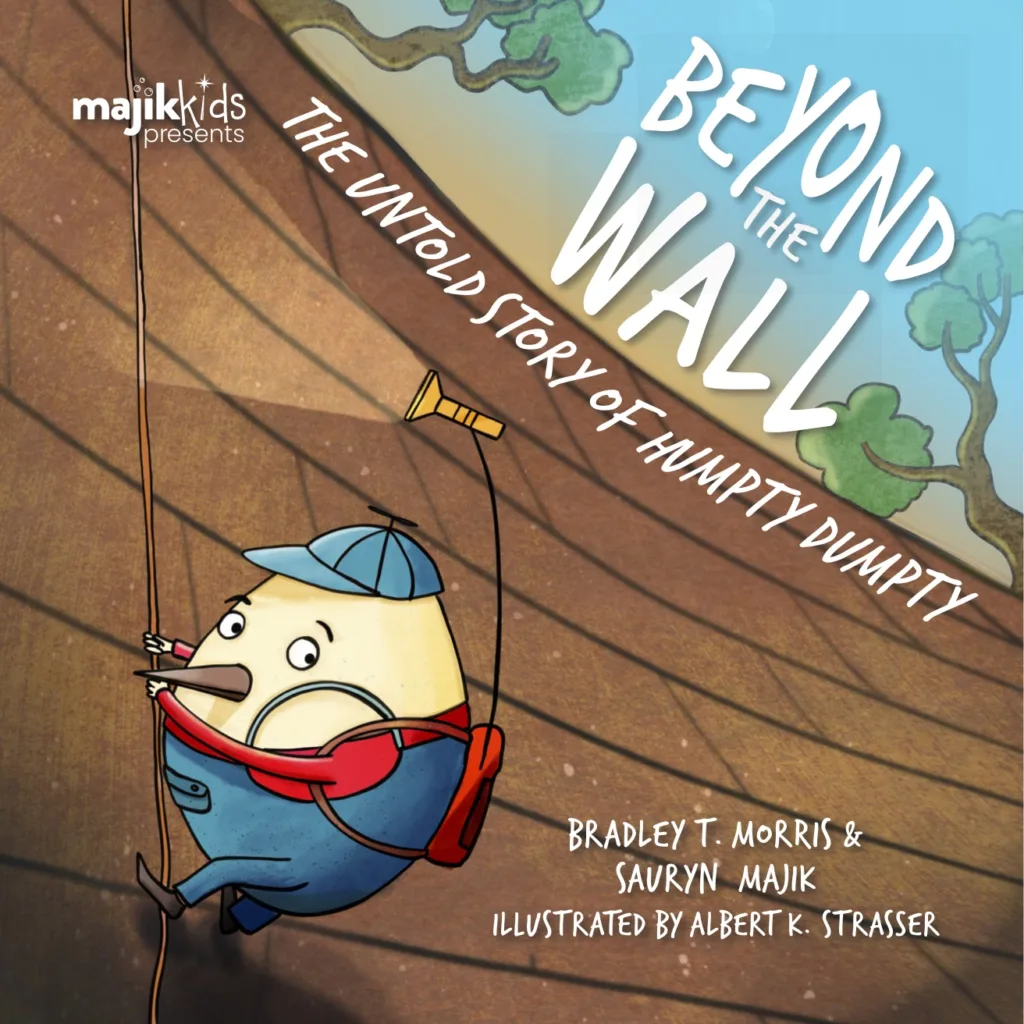

Our son Sauryn is naturally becoming curious about math right now. He wants to understand science. He creates constantly. Nobody forced any of it.
Learning arrived through readiness — and through years of trusting him with the freedom to just be a kid.
So when I sat down with Peter Gray for our Majik Family Podcast, I wasn’t just interviewing a researcher.
I was hearing someone put language to something my wife Celeste and I have been intuitively living.
Peter Gray is a research professor of psychology at Boston College and one of the world’s leading voices on childhood, play, and self-directed learning.
He’s spent decades studying how children naturally grow, learn, and become healthy adults. His work challenges almost everything mainstream culture tells us about education and childhood success.
Here’s what stuck with me most from our conversation:
Children Are Born Wired to Become Independent
Peter started with something disarmingly simple: children are born completely dependent on adults, but they arrive with a powerful inner drive to not stay that way.
That drive shows up as curiosity. Playfulness. Risk-taking. The urge to try things “by myself.”
These aren’t problems to manage. They are nature’s design.
Yet modern culture often treats these instincts as inconvenient — we overschedule, overprotect, and over-direct. And then we wonder why so many kids seem anxious, disconnected, or unmotivated.
Play Is Not Frivolous. It’s How Children Practice Being Human.
This was my favourite part of the whole conversation.
Peter made the case that free play is how children build the exact skills adulthood actually demands: negotiation, resilience, emotional regulation, leadership, creativity, empathy, problem-solving, and confidence.
Not through worksheets or structured curriculum — through running wild, building forts, role-playing kingdoms, inventing games, and disappearing into the woods with sticks & friends.
When kids do those things, they’re not wasting time. They are rehearsing life.
I see it in Sauryn constantly. The most important lessons he’s learning right now aren’t coming from sitting still. They’re coming from imagination, creation and play.
Why So Many Kids Are Struggling
Peter didn’t soften this one.
Rates of anxiety and depression in children have risen dramatically over the past few generations. His explanation is both simple and confronting: as freedom has decreased, distress has increased.
Today’s kids have more schedules, more homework, more adult supervision, more performance pressure — and less unsupervised play, less outdoor adventure, less meaningful responsibility, less room to solve real problems on their own.
Many children are living managed lives rather than lived lives. And it’s costing them.
Boredom Is the Doorway, Not the Problem
This one is worth printing on the fridge.
Many parents (myself included, at times) rush to solve boredom the moment it appears. Peter sees boredom differently. He views it as often being the uncomfortable first step before imagination wakes up.
When we don’t rush in to rescue our kids from it, something shifts. “I’m bored” becomes building, creating, exploring, inventing, questioning. Boredom is frequently the bridge to self-direction — if we get out of the way long enough to let it happen.
Not All Screen Time Is the Same
I appreciated that Peter didn’t fall into the easy trap of condemning all technology.
A child using a screen to animate stories, compose music, design games, research a passion, or build something — that’s categorically different from hours of passive, mindless junkfood entertainment consumption.
The distinction matters.
In our home, we try to teach one core principle: create more than you consume. That one idea alone changes how our son relates to technology.
One Question Worth Asking Your Child
Peter offered a practical exercise we’ve been using for years.
Ask your child: “What’s something you’d love to do more independently that you haven’t done yet?”
Then listen.
The answers often surprise parents — cooking dinner, biking somewhere alone, building something, earning their own money, starting a project they care about.
These are moments of readiness. And when we recognize them and say yes, something in a child’s confidence shifts visibly.
Kids change quickly. Every season brings a new readiness if we stay curious enough to ask.
What This Means for Our Family
My wife Celeste and I have been walking a child-led path with Sauryn for years. We’ve prioritized imagination, nature, storytelling, creativity, and real-world experience over academic pressure and performance metrics.
What I’m watching unfold is beautiful.
Curiosity didn’t have to be forced. It’s always been there. Learning came through readiness, not coercion. And his playful spirit — the thing I’d most hate to see crushed — remains completely intact.
Peter Gray’s work gave me language for something I already believed in my gut: when we trust childhood more, children often rise beautifully.
The Takeaway I Keep Coming Back To
Your child doesn’t need every minute optimized.
They need space.
Space to wonder. Space to move. Space to fail, try again, get bored, create, and slowly become who they are.
The world will pressure us to control every variable. But children often grow strongest where freedom lives.
If your child is making a mess, asking wild questions, building strange things, or disappearing into imaginative play — that may not be a distraction from learning.
That may be learning itself.
Explore Peter Gray’s Work
- Book: Free to Learn
- Upcoming Book: Restoring Childhood
- Substack: Play Makes Us Human
- Website: petergray.org